
The Truth Behind Why Leaders are Afraid to Slow Down
Many leaders believe slowing down means losing momentum. In reality, the opposite is often true. Beneath our constant busyness lies a deeper fear: the fear of stagnation, silence, and what we might discover if we stopped long enough to listen.
Drawing on my experience as both a CEO and executive leadership coach, I explore why today's most effective leaders need more than new competencies. They need expanded capabilities: the inner capacity to navigate complexity, regulate themselves under pressure, and see what others miss. Sometimes the most strategic move isn't to accelerate, but to pause.
The Parts of Ourselves We Learn Not to Value
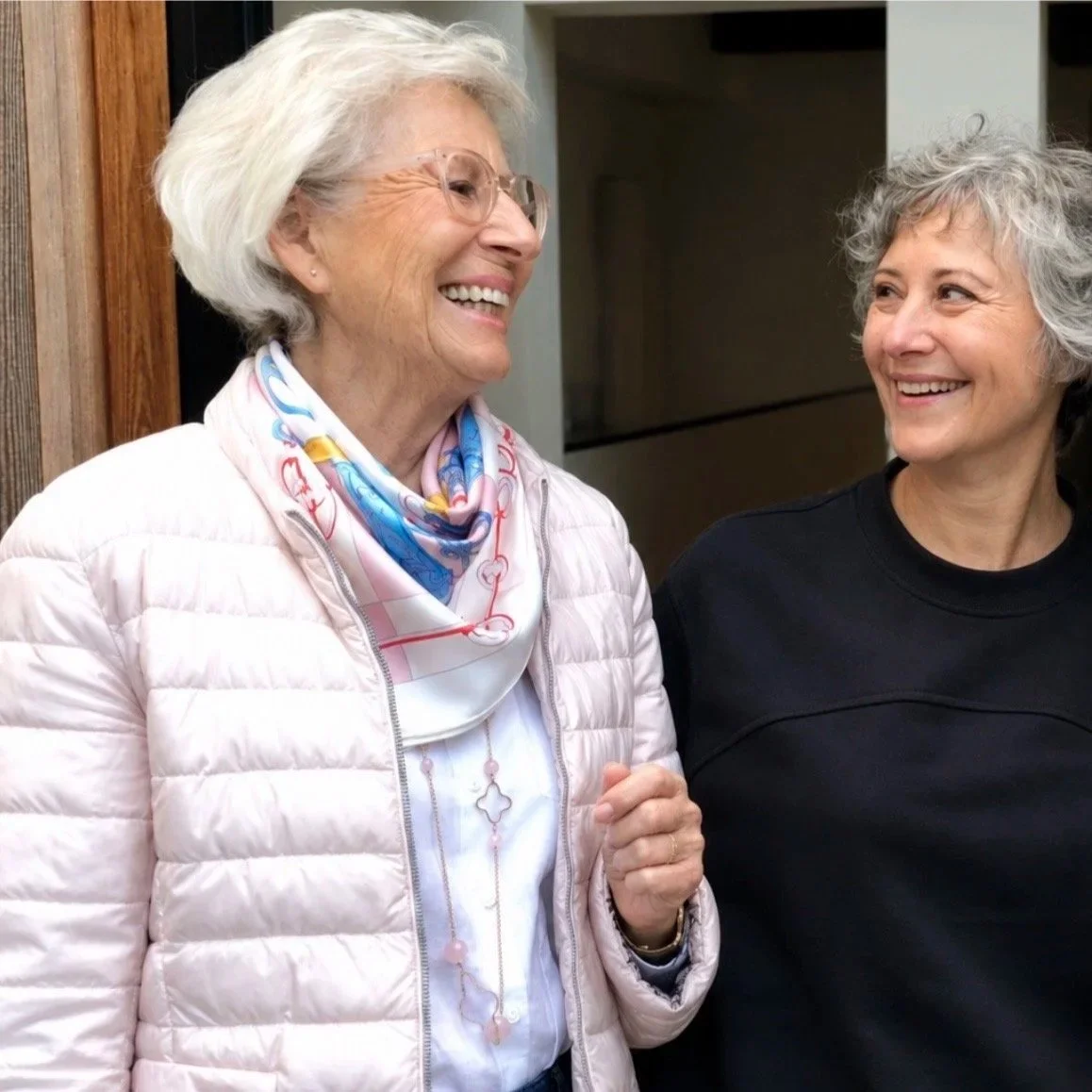
For years, I searched for my father in the mirror: his way of moving through the world. It took me much longer to recognise the strengths I inherited from my mother, and how disconnecting from those qualities had shaped the way I lived, loved and led.

The Mother of All Leadership Tools
Most leaders focus outward. But leadership starts within. Discover how conscious breathing creates clarity, calm, presence, and better decisions under pressure.

Meeting Halfway: Where Leadership Alignment begins
A simple image—a swing placed on a border—offers a powerful reflection on leadership. In many organisations, invisible boundaries between teams and priorities become barriers under pressure, eroding alignment and performance over time. This article explores why meeting halfway is not a compromise, but a critical leadership act that unlocks better conversations, stronger alignment, and more effective results.
Leadership Clarity Under Pressure
When pressure rises, clarity often shrinks — not because leaders lack values, but because presence erodes.
A reflection on identity, strategic compliance, and leading with dignity when it matters most.
The Greengrocer’s Sign: A Lesson in Leadership Dignity from Davos
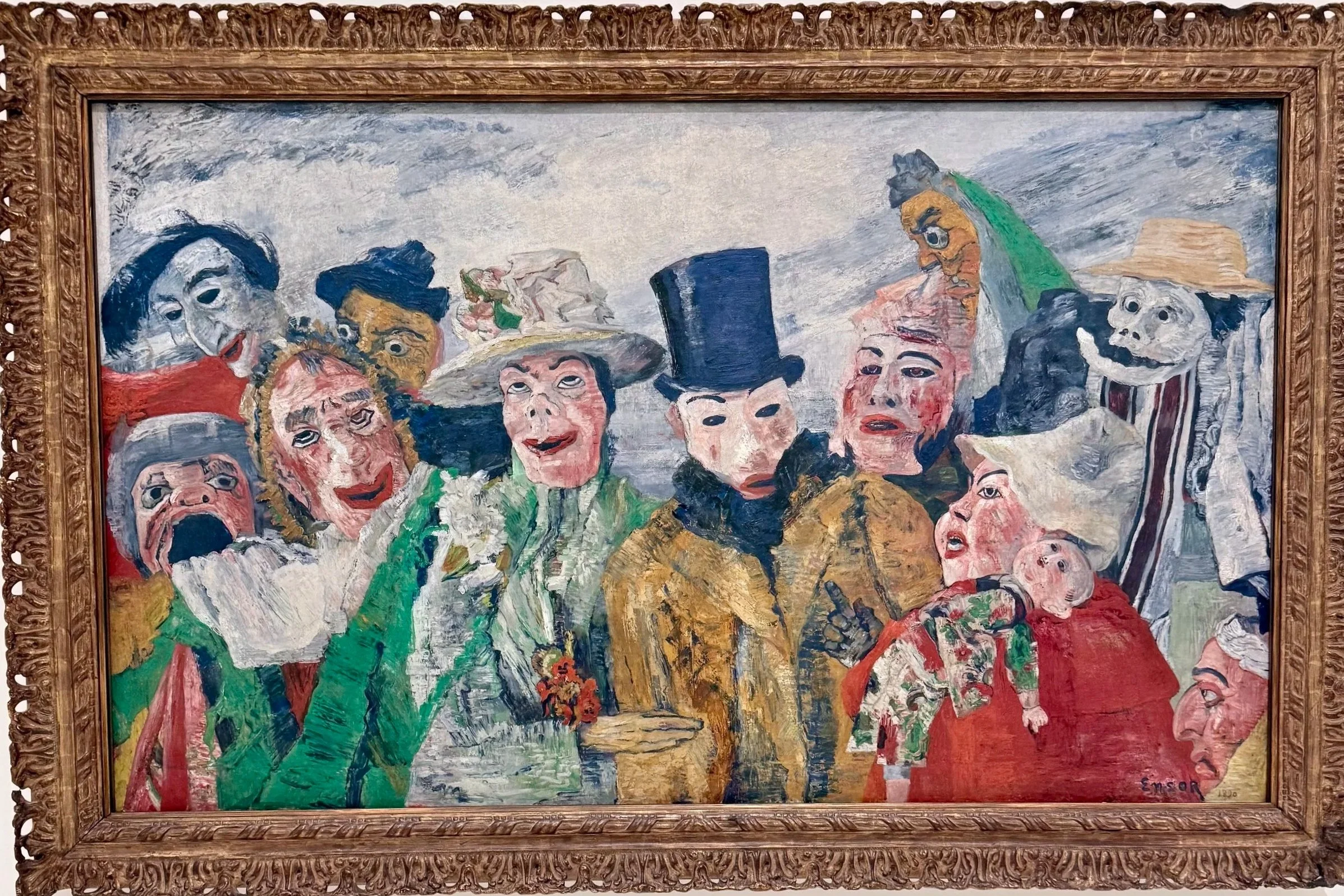
What does leadership look like when pressure returns and compliance feels easier than integrity? I was inspired by Mark Carney’s Davos speech referencing Václav Havel’s greengrocer. In this leadership reflection I explore the cost of compliance, dignity, and the courage to take the sign down.

Motion or Direction? What January Reveals About Leadership
January often marks a return to motion. But without intention, leaders risk trading clarity for speed. A reflection on direction, leadership, and alignment.

Celebration as a Leadership Practice
Celebration is not about extravagance or performance. It is about recognition, appreciation, and acknowledging the people behind the work — especially when the pressure is on and everything feels urgent.

When Growth Goes Silent: The Cost of Under-developed Talent
Annual evaluations often miss what matters most: human development. This article explores why traditional performance reviews fall short, the real cost of underdeveloped talent, and how leaders can shift from judgment to growth to drive innovation, engagement, and sustainable performance.

The Courage of Clarity: Choosing Clarity Over Complexity
If clarity is so powerful, why do so many organisations choose complexity?
Because complexity feels safe.
It gives the illusion of control.
But when teams spend their energy navigating process instead of pursuing purpose,
performance collapses quietly — long before anyone notices.
In this piece, I share what changed when we stopped adding more
and started removing what didn’t matter.
The shift was immediate.
And profound.